Candida Albicans

Candida is a fungus normally present in small quantities on the lips, skin, and intestines. Healthy microorganisms in the body, known as the microbiome, manage the equilibrium of candida. Often when candida is off-balance, the yeast overgrows and causes candidiasis. Candida flourishes in a warm, humid atmosphere, and a decreased immune response or other factors might enable the infection to grow.
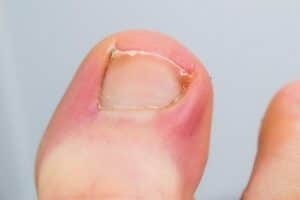
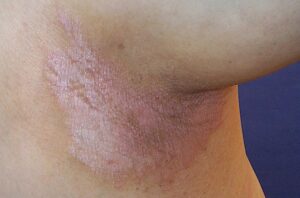
Many Candida infection only affects one portion of the body. For example, cutaneous candidiasis affects the skin, whereas onychomycosis is an infection of the nails caused by candida albicans.
Candida Onychomycosis may result in brittle, cracking, or detached nails. Nail discoloration can also be present, turning the nail yellow or brown. Candidiasis can also form debris accumulation beneath the nail, further weakening it. Clinical expression of Candida albicans in the nails ranges from discoloration and significant thickening to dystrophic nails.
Candida onychomycosis, usually caused by C. albicans and C. parapsilosis, is often linked to either regional or generalized immunological dysfunction. When the host immunity is significantly damaged, candida functions as the main pathogen. Other conditions such as diabetes mellitus and smoking are risk factors for candida to produce secondary infection. Those with preexisting conditions need timely treatment for any skin or nail infections they develop.