Aspergillus Species

Since aspergillus, the mold (fungus) that causes aspergillosis, is widespread both indoors and outdoors, most individuals constantly inhale fungal spores. The inhalation of aspergillus is harmless to humans with functioning immune systems. People with compromised immune systems are particularly vulnerable to developing a lung or sinus infection from inhaling Aspergillus spores, which may then spread to other body regions.
Approximately 180 different species of aspergillus exist, although only about 40 are known to cause infections in people. Since non-dermatophyte fungi isolated from nails are sometimes incorrectly categorized as pollutants, the range of molds capable of producing onychomycoses may be wider than previously recognized.
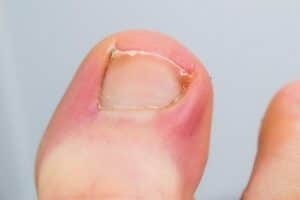
Non-dermatophyte mold onychomycosis is increasingly being linked to Aspergillus spp. Most nail aspergillus infections are caused by aspergillus fumigatus, causing abnormal nail formation. The lateral nail folds beneath the nail near the hyponychium, where spores may have lodged or a diseased nail plate colonized by aspergillus spp, are the most common sites of infection. After the fungus has had a chance to multiply, the infection will travel back toward the cuticle. It manifests similarly to other fungal nail infections, with the nail’s discoloration, distortion, and flakiness. However, unlike other fungal causes of nail infection, aspergillus will not spread to the surrounding skin.