Mucus
A mucus is a gelatinous substance that is produced by the mucous membrane. The primary purpose of mucus is to trap bacteria, viruses, and various allergens like dust or pollen in the nose and prevent them from entering the body. However, mucus being able to trap bacteria can still cause inflammation when it touches certain areas of the body.
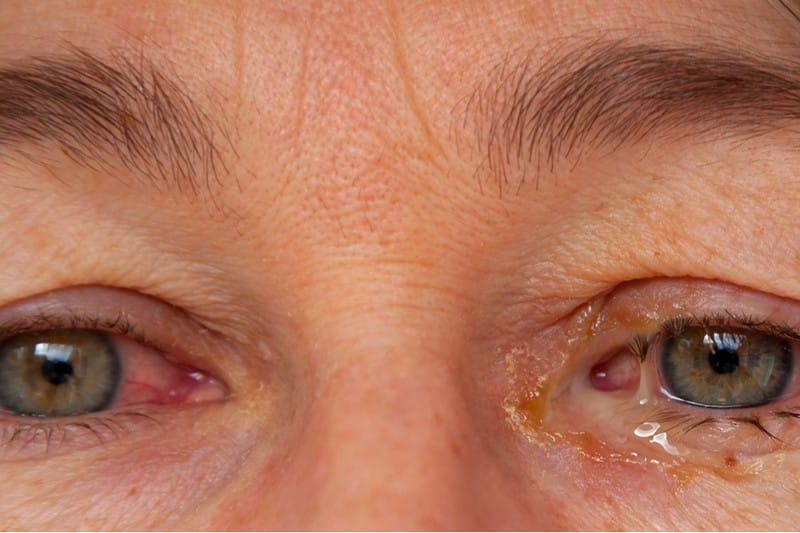
A stye can develop when mucus comes in contact with the eyes, introducing staphylococcus bacteria which then festers and gets inflamed. Mucus can infect the eyes in various ways, like sneezing and a runny nose. In addition, the mucus sticks on the skin and penetrates pores, making it harder to remove and clean mucus.
Mucus also tends to trap bacteria and dirt. These are the two most common causes of stye. Mucus coming in contact with the eyes will irritate and will most likely cause an infection. Bacteria and dirt accumulation from mucus can develop stye after it comes in contact with the eyes. A runny nose can clog up the nasal area and cause eyes to puff up, potentially blocking glands and developing a stye.