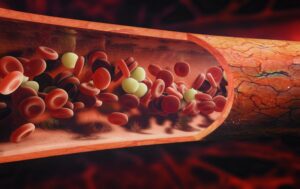
Impaired Immune Function
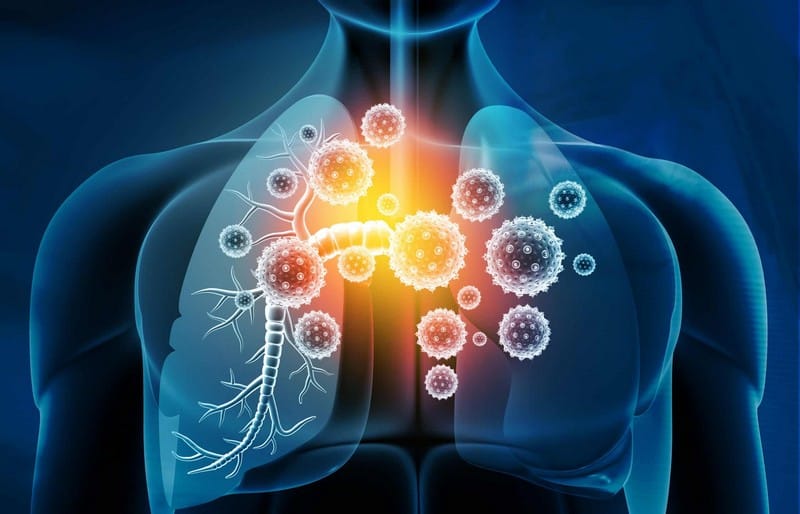
Immunity is defined as the ability of the body to resist different toxins and infections using antibodies and white blood cells. When pathogens, or foreign, illness-causing substances, invade the body, the body responds almost immediately by marshaling the various body defense mechanisms which comprise the immunity function.
Proteins are made of amino acids. These amino acids are responsible for mobilizing B cells, T cells, and antibodies into germ-killing mechanisms that ward off infection and other pathogens from affecting the body. Amino acids are also important in regulating the redox state or the body’s response to oxidative stress. They are responsible for preventing chronic infections from spreading in the body. Proteins also increase lymphocyte production, which is crucial for the immune response.
The amino acids glutamine, cysteine, and arginine are needed to regulate immuno-response. These substances are important as they help make cytokines and macrophages responsible for fighting infections, diseases, and viruses.
People who wish to strengthen their immune systems can eat more protein-rich food. Food such as citrus fruits, broccoli, red bell peppers, spinach, and ginger boost immune resistance. Incorporating different types of nuts, seeds, and yogurt into the diet can also help strengthen the immune system.