Loss of Muscle Mass
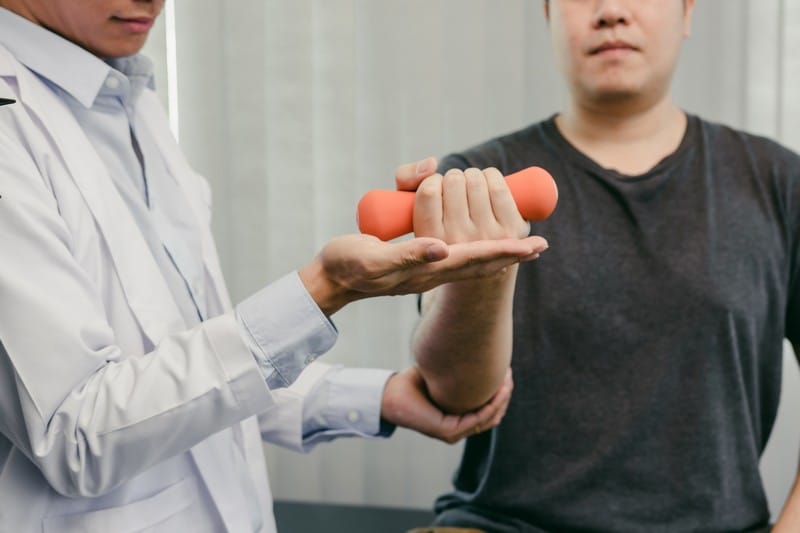
Proteins are needed to build and repair muscles. When protein becomes deficient, the body will take protein from the skeletal muscles and convert it into energy. In doing so, the body preserves the most important tissues and organs to continue functioning properly. When someone doesn’t consume enough proteins and doesn’t try to build the necessary muscle mass to stay healthy and mobile, it can lead to muscle wastage.
When the body loses muscle mass due to insufficient protein consumption and other related factors, the body begins to weaken. It also loses mobility and range of motion as the connective tissue that binds the muscles becomes weakened and no longer works properly. Everyone is susceptible to muscle wastage, although elderly people are more affected by their advanced ages.
Health experts recommend increasing protein intake as people age to prevent muscle mass loss. Eating meat, fish, and eggs and incorporating beans, nuts, and seeds into other meals will help increase protein levels. Well-being experts also recommend using resistance bands to firm and tone muscles. Furthermore, they suggest walking as a form of exercise and for absorbing more Vitamin D through sun exposure or supplementation to prevent muscle mass loss.