Human Papillomavirus
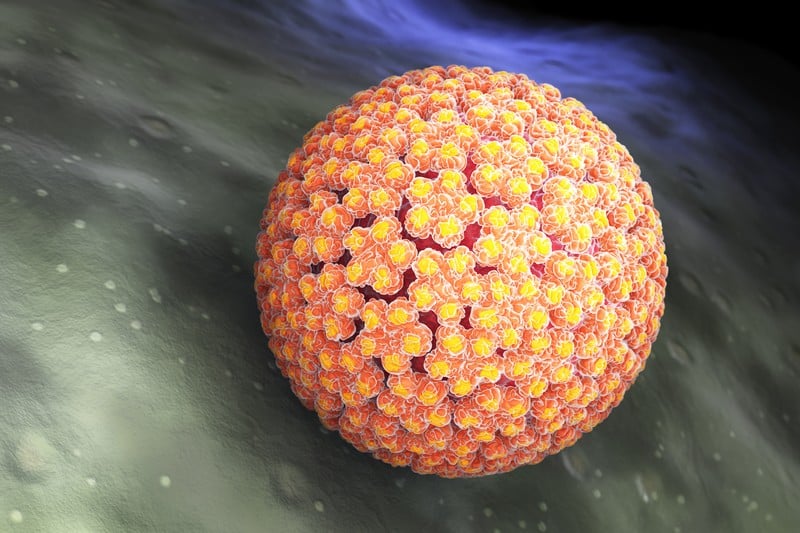
HPV, or human papillomavirus, is a common sexually transmitted disease with nearly fifteen million cases diagnosed yearly. Various HPV types exist, with some being a risk factor for cancer. Unfortunately, there is still no way to cure the virus as of this writing. However, there are steps people can take to rid themselves of warts caused by the condition, although they often resolve without any medical treatment.
Many over-the-counter medications, like salicylic acid-based products, can treat more common warts, but it’s crucial not to use them around your genital area. In these cases, electrocautery, cryotherapy, and laser therapy may have to be performed. For some, doctors may prescribe medications like imiquimod and podophyllin. In some situations, surgical intervention might be necessary. However, while these treatment options can remove these growths, they can’t eliminate the virus.
Symptoms of the virus can appear a long time after its initial infection. While some conditions may result in the formation of warts, others can make one more vulnerable to cancer. Specifically, HPV may cause genital, flat, plantar, and common warts. If the infection is strong enough, it can compromise your immune system, leading to an increased risk of diseases.