Herpes
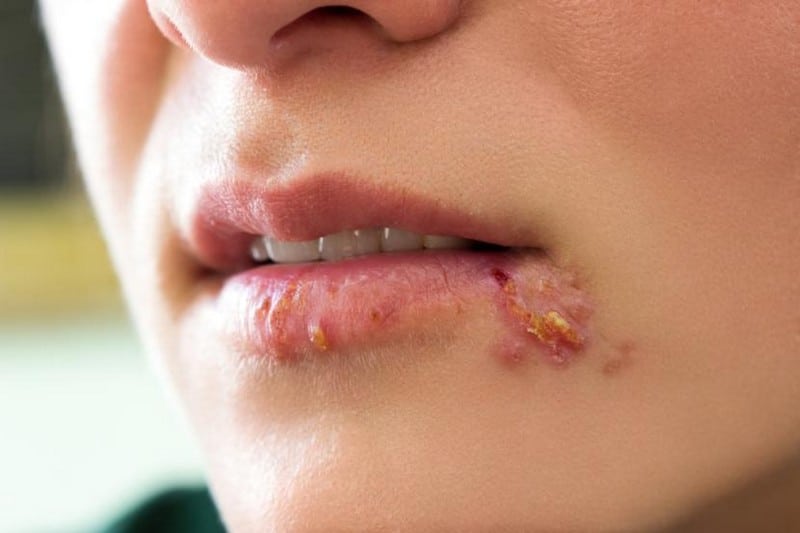
Herpes is a condition that results from an infection of the HSV virus. It’s primarily characterized by the blisters and sores it causes around or in the genitals or mouth. Herpes has two types: HSV-1 and HSV-2. The former impacts the mouth but may also present symptoms in the genital area, while the latter is typically sexually transmitted. While no cure exists, current treatment options can manage the condition, reduce recurring instances of outbreaks, and prevent transmission.
It’s also a relatively common disease, with over sixty percent of those under fifty having the HSV-1 and thirteen percent with HSV-2 globally. Based on CDC’s reports, just under six hundred thousand cases develop yearly. Cold sores around the mouth, rectum, and genitals are usually the disease’s most prevalent signs. However, some additional symptoms that may occur are fevers, headaches, body aches, painful urination, and eye infection. After the condition’s initial outbreak, symptoms will likely happen again as the disease will never completely disappear.
While no medication can cure herpes, medical practitioners may prescribe antivirals like acyclovir to keep the virus from multiplying. In addition, over-the-counter treatment options like topical solutions can also manage the pain, tingling, and tingling caused by the condition.