Trichomoniasis
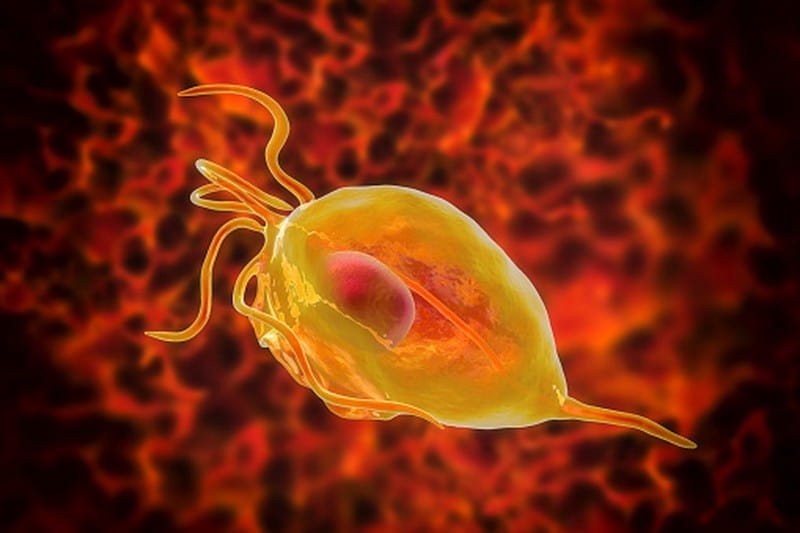
Trichomoniasis is an STI that can be passed through anal, oral, or vaginal sex. The trichomonas parasite is primarily responsible for the condition’s onset, which is curable as long as treatment is sought. However, only around thirty percent of those with the disease experience symptoms. Without medical treatment, trichomoniasis may result in serious complications. Besides impacting pregnancy, it can also increase HIV transmission risks. Therefore, getting early medical treatment is recommended to prevent it from spreading.
The symptoms of trichomoniasis often appear between five and twenty-eight days after the initial exposure. However, they can also occur later on or not present any symptoms at all. Less serious symptoms include irritation. However, severe cases of the condition may consist of discharges and inflammation. Possible signs and symptoms of the STI are foul-smelling and frothy vaginal discharge, blood in the discharge, genital irritation, discomfort during urination or sex, frequent urination, abdominal pain, penis or urethra discharge, and burning sensations when ejaculating.
The condition can result in various complications, including pregnancy problems, higher cervical cancer risk, and increased vulnerability to HIV. The treatment of trichomoniasis is straightforward, usually through the oral ingestion of antibiotics. A vaginal cream or suppository may also be prescribed.