Dehydration
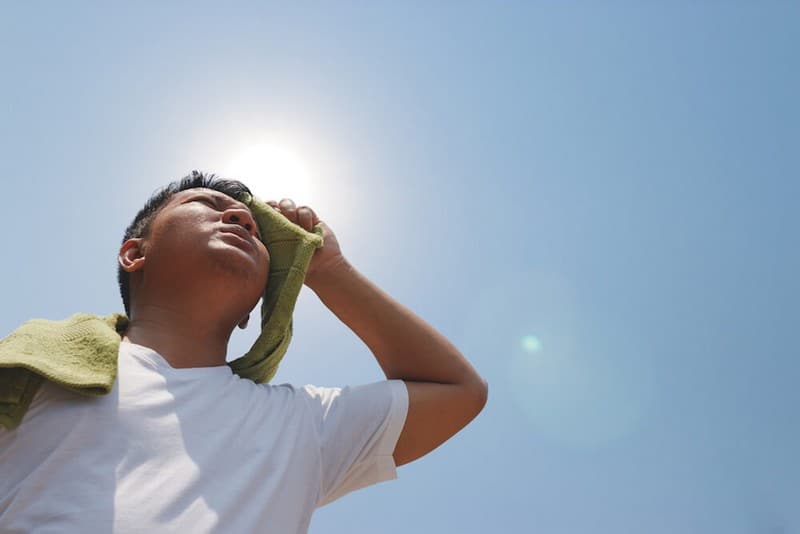
The body can’t function effectively without enough water. Dehydration can fall from mild to severe, depending on how much bodily fluid is lost. Every day, the body loses water by simply breathing, sweating, urinating, pooping, as well as tears and saliva (spit). Drinking liquids and consuming water-containing foods can help the body replenish lost fluids.
Dehydration can occur if someone loses too much water or doesn’t consume enough food and liquids. Among the symptoms of dehydration includes dizziness, severe thirst, reduced urine, and weariness. Moreover, stomach cramps and muscular aches are two typical signs of dehydration.
For the muscles to perform as people usually expect, they need a lot of water and electrolytes. Muscles can become incredibly sensitive and spasm or contract without conscious control if we don’t get enough fluid. Leg cramps may be more prevalent in the thigh and calf muscles, especially when receiving less blood.
Another use of water in the human body is to get rid of cellular wastes. When a toxin is being built up, it can cause inflammation, which frequently brings discomfort. Also, water can help prevent joint pain and stiffness since it lubricates the joints.