Gastrointestinal Distress

Gastrointestinal distress or gastric distress is a group of digestive disorders caused by infections, food allergies and intolerances, and autoimmune diseases. The term includes symptoms of bloating, constipation, acid reflux, nausea, diarrhea, vomiting, cramping, and abdominal pain. Doctors state that a diet that isn’t rich in fiber is a leading cause of GI distress. They also identify lack of physical exertion and exercise, stress, changes in routine, and resisting the urge to have a regular bowel movement as other possible reasons for gastric distress.
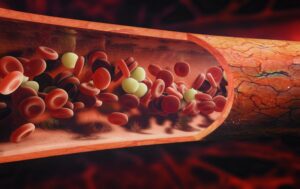
Health specialists, however, say that one of the reasons behind GI distress is the complication of Vitamin B12 deficiency. While the body does reproduce red blood cells, the deficit in Vitamin B12 can reduce their production, which also leads to lower serotonin levels. Serotonin is a hormone that doctors understand is crucial to various bodily functions. The body functions that need enough serotonin levels include digestion, mood, sexual desire, and sleep.
Without enough serotonin levels in the body, the gastric tract produces more gastric acid, which can lead to irritation and lower amounts of gastric and colonic mucus. Serotonin also is critical in increasing gastric motility, absorption, and assimilation in the digestive tract.