Muscle Weakness

Muscle weakness is a medical condition wherein your usual full effort doesn’t produce the desired muscle contraction or movement. Medical experts also call muscle weakness weak muscles or reduced muscle strength. Although people who exert strenuous efforts, such as in exercise or work functions, typically experience muscle weakness, a short rest can help them recuperate their muscle function. Doctors, however, warn that a trip to the doctor’s office would be warranted when muscular weakness persists or doesn’t have any discernible reason.
Several causes can lead to muscle weakness. Doctors identified several possibilities that can manifest in muscular weakness, such as neuromuscular disorders, autoimmune diseases, thyroid conditions, and electrolyte imbalances. They also point to chronic fatigue syndrome, strokes, herniated discs, peripheral neuropathy, and polymyositis as possible reasons for muscle weakness.
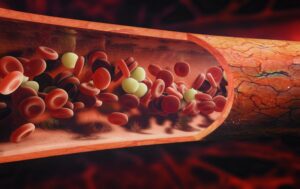
Health experts believe there is a link between Vitamin B12 deficiency and muscle weakness. As hemoglobin is essential to vasodilation and muscle health, doctors believe lacking Vitamin B12 can directly affect muscular strength. Without enough hemoglobin in the blood, muscles aren’t properly nourished, and weakness thus becomes more prevalent. In addition, cramping, impaired coordination, and even erectile dysfunction can also manifest due to the lack of Vitamin B12 in the body.