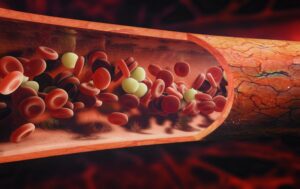
Internal Bleeding
One reason why it’s crucial to look into the context of anal bleeding is due to the potential causes. For example, diverticulitis can cause anal bleeding at any point without symptoms. Polyps bleeding usually occurs during bowel movement and with some discomfort. Hemorrhoids can range between mild discomfort and pain. One thing to consider when you experience a bloody stool is the potential for internal bleeding. When the feces is bloody, the color of the blood is an important clue. When the blood is bright red, it indicates fresh blood, which is usually not as severe (unless prolapsed). When blood comes from further in, it usually shows as dark and tarry. It also smells considerably worse than usual.
If the blood is dark and tarry, contact a medical professional, even if you aren’t experiencing other symptoms. Internal bleeding can occur due to trauma to the gastrointestinal tract. If you’ve recently suffered an injury and have other symptoms related to gastrointestinal damage, chances are you have a case of internal bleeding. Blood appearing where it shouldn’t — especially so far up the digestive tract — is considered a potential emergency. Treatment will vary depending on the tests.