Microsporum Species
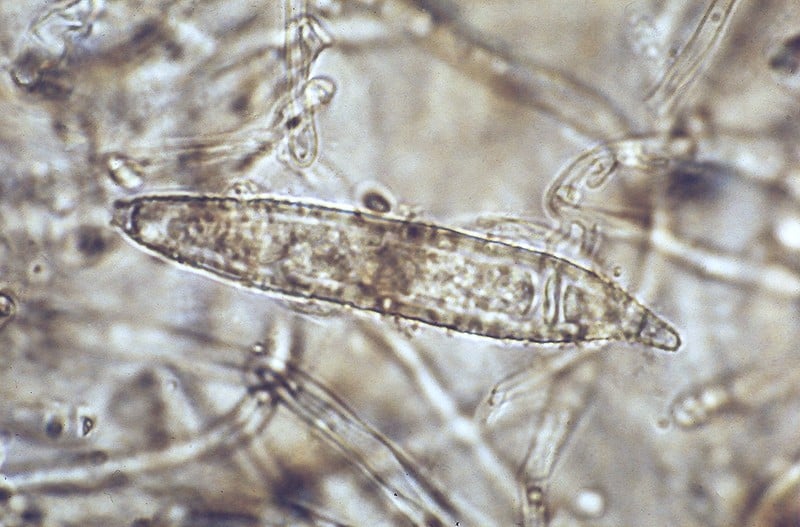
The dermatophyte category includes the filamentous keratinophilic fungus known as Microsporum. Some Microsporum spp. are found naturally in the soil, whereas others mainly affect other animals or humans. The lack of contact with soil and animals may be fatal for certain species.
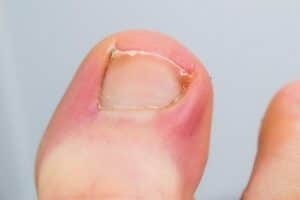
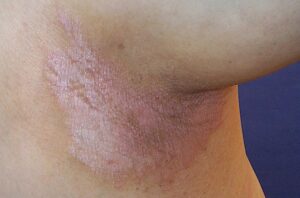
Microsporum, like other dermatophytes, can live on the skin and its appendages without causing any harm because of its capacity to destroy keratin. The fungus’s proteolytic enzyme and elastases may also contribute to its pathogenicity. Although Microsporum spp mainly affects the skin and hair, infections of the nails are possible. Scaly skin develops on the scalp, causing hair loss. Infected fingernails seem different and create a variety of unpleasant symptoms, including discoloration and thickening.
Microsporum-related nail mycosis can sometimes be contracted simply from chronically scratching the head. This pathogenic fungus has been observed to penetrate the nail via the lateral nail groove, the distal subungual region, the dorsal side of the nail plate, or more deeply with under-surface penetration, resulting in more severe cases of onychomycosis. Some strains of Microsporum, such as M. canis, were reported to have ungueal invasion along the whole length of the nail plate. It is more common in males than women, those with diabetes and the immunosuppressed, and the elderly.