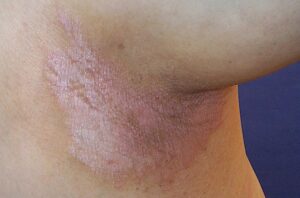
Edema

Overhydration, or excessive water intake by the body, can lead to fluid retention, also known as edema. This occurs when the kidneys cannot properly regulate water levels in the bloodstream. The resulting buildup of excess water causes swelling throughout the body. When caused by overhydration, edema is most commonly seen in the hands and feet but can also appear in other areas, such as the legs and abdomen. Other symptoms of overhydration include nausea, vomiting, headaches, weakness, and fatigue.
Edema caused by overhydration can be treated by increasing daily fluid intake in small increments. This will allow your kidneys time to adjust to the new amount of fluid being processed. After all, consuming a diet rich in high-fiber foods will help eliminate excess water from your system. Drinking plenty of fluids, especially when exercising or experiencing hot weather, is important, but it is equally important not to drink too much. The goal should be to maintain a proper balance between hydration and dehydration; overhydration can be dangerous because it stresses organs like the heart and liver while also causing swelling throughout the body.