Heart Attack

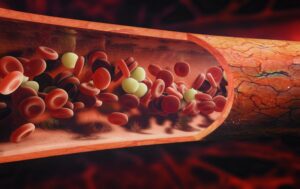
A heart attack is a condition with a blockage or cut-off of blood flow to the heart. When the oxygen-rich blood is insufficient, it can cause damage to the affected area. This will lead to injury or death of the heart muscle.
One of the symptoms and signs of a heart attack is nausea. When the heart muscle begins to malfunction, it also triggers the other body parts to break down. The digestive system will also experience pain, leading to severe gastric symptoms such as belching, discomfort, vomiting, and nausea. This effect is due to the inadequate amount of oxygen circulating in the body. The decreased blood flow in the digestive system or gastrointestinal tract may impede digestive processes and functions.
Another reason for experiencing nausea during a heart attack is the release of lactic acid, pyruvic acid, and metabolites from the necrotic, ischemic, and injured cardiomyocyte regions. These metabolites trigger the peripheral nerve receptors that cause nausea and vomiting.