Increased Ketones

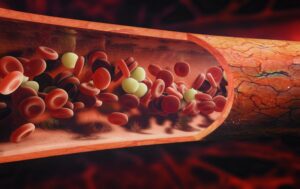
An increase in ketones and a decrease in blood sugar are two characteristics of the keto diet. As your keto diet progresses, fat and ketones will be your primary energy sources. The most accurate and reliable approach to evaluating ketosis is utilizing a specialized meter to measure the blood ketone levels.
The meter calculates the ketone levels by determining how much beta-hydroxybutyrate (BHB) is in the blood. This is one of the most common ketones seen in the bloodstream. Some keto diet experts define nutritional ketosis as blood ketones equal to or greater than 0.5 millimolar (mM).
A breath analyzer is another tool for calculating blood ketone levels. One of the three significant ketones in the blood during ketosis is acetone, which this device monitors. It helps you determine your body’s ketone levels because more acetone exits during nutritional ketosis.
You can also use special indicator strips to test for ketones in the urine daily. They can be an easy and affordable way to check your ketone levels daily. However, they aren’t considered as reliable as specialized meters and breath analyzers.