
Turmeric
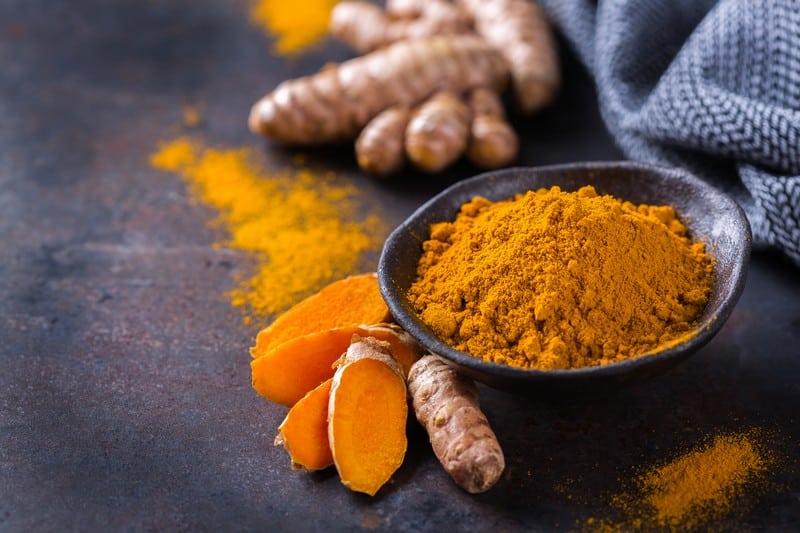
Recently, a massive effort has been made to locate novel anti-ulcer medications from synthetic and natural sources. Traditionally, turmeric or Curcuma longa has been utilized in Eastern Asian medicine, including traditional Chinese medicine and Ayurveda of India. Various conditions related to the skin, lungs, joints, and stomach, responded well to its traditional usage.
For instance, the yellow pigment curcumin, the primary curcuminoid found in turmeric’s rhizome, has been used to treat a wide range of human illnesses. Curcumin is said to be an effective therapeutic agent for treating gastrointestinal diseases that is inexpensive and free of adverse side effects. Its benefits include enhanced vascular function, less inflammation, and lessened risk of cardiovascular disease.
It can help protect the body against the complications of bacterial overgrowth. In the stomach, acid secretion is increased, and mucin formation is decreased due to cellular oxidative stress and Helicobacter pylori infection. The increased acid production causes gastric ulcers by eroding the stomach’s protective mucus lining. Moreover, scientists have shown that the polysaccharides in turmeric may help relieve gastric ulcers by preventing further damage to the stomach’s mucus lining and slowing the spread of the bacteria responsible for producing them. Mucus secretion may also be stimulated, which helps shield the stomach lining from irritants.