Gastrointestinal Issues
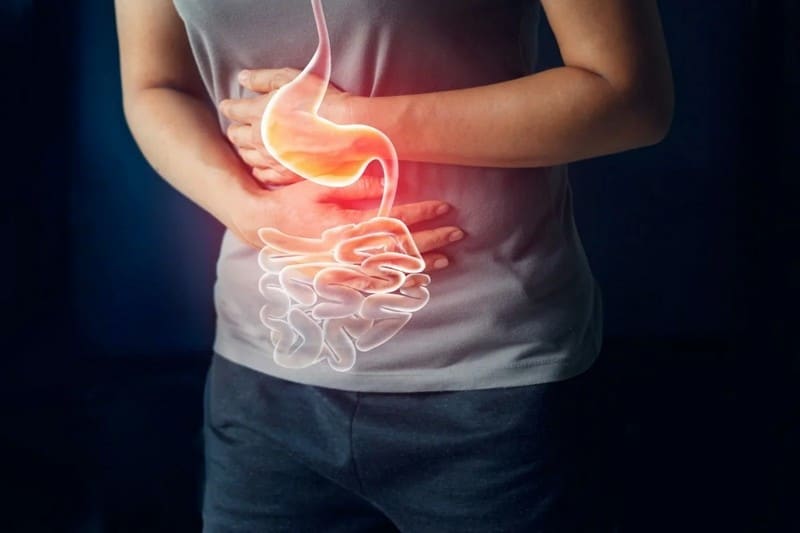
It is believed that histamine influences at least three essential gastrointestinal functions, which include regulating gastrointestinal motility, enhancing stomach acid production, and modifying mucosal ion secretion. In the stomach, oxyntic cells regulate the quantity of acid secretion, and histamine is essential to this process. Histamine is present in relatively high concentrations throughout the digestive tract, particularly during inflammatory responses. If the body cannot break down this molecule effectively, it can lead to a range of symptoms, most of which involve the digestive tract.
Histamine intolerance is characterized by the inability of the intestines to effectively break down histamine, resulting in elevated histamine levels in the blood. People with histamine intolerance frequently have gastrointestinal symptoms, including bloating, constipation, diarrhea, stomach discomfort, and abdominal cramps. In the digestive system, the DAO (diamine oxidase) enzyme destroys histamine, which may originate from bacteria, food, drinks, or an immune response to food allergies. Histamine in the digestive tract may originate from microbes, food, drinks, or an immune response to dietary sensitivities. If levels of the enzyme that degrades histamine, DAO, are low, a buildup of histamine in the digestive tract may lead to symptoms associated with histamine.