High Blood Pressure

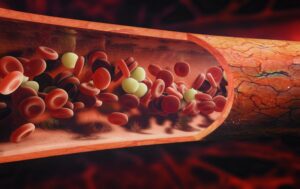
Histamine is a potent vascular permeability enhancer and a primary preformed mediator secreted by mast cells. The capacity of blood arteries to govern the passage of molecules and immune cells that fall within a given size range in both directions while simultaneously restricting the extravasation of more giant molecules is what is meant by the term “vascular permeability,” or VP for short. Histamine is carried in the granules of basophils, a kind of blood cell. After the release of histamine, it signals the blood arteries, causing them to widen and increase permeability. The decrease in blood pressure results from increased permeability. In people who are intolerant to histamine, the impact is the reverse; the permeability of the blood vessels reduces while blood pressure rises.
On the other hand, people who are intolerant to histamine have the potential to have either high or low blood pressure, depending on the conditions. This is because histamine, by itself, has been shown to have a hypotensive effect. However, histamine is also responsible for stimulating the release of other compounds in the body that affect blood pressure, the most significant of which is adrenaline, which causes a rise in blood pressure.