Difficulty Breathing

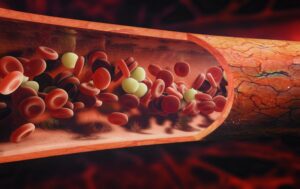
High blood pressure, specifically pulmonary hypertension, can also cause difficulty breathing or shortness of breath (dyspnea). This health condition causes an individual to have trouble talking, walking, and exerting physical effort.
Difficulty breathing hinders a person from taking in enough oxygen in their system. The symptoms accompanying breathing difficulty include wheezing, faster breathing rate, excessive sweating, blue lips or fingernails, gray or pale complexion, and flaring nostrils.
Moreover, a person might have a heart attack, angina attack, or a lack of oxygen if difficulty breathing also involves fever, tightness in the throat, chest pain, and a barking cough. Intense shortness of breath that makes a person constantly sit up and awake at night also indicates these health conditions require immediate medical attention.
An individual feeling sudden breathing difficulty should call emergency services. When a person stops or has slowed breathing, contact for prompt medical help. After dialing 911, the patient should receive emergency CPR if possible.
Lifestyle changes are necessary to avoid hypertension-related breathing difficulty. Sodium is among the common culprits of high blood pressure, so health experts strongly recommend sodium restriction. Sugar and cholesterol are also important factors that affect blood pressure.