Fever and Chills

Fever and chills are some of the most typical symptoms of gallstones. It is common for people to assume that these two symptoms are unrelated – fever has to do with the immune response, and chills have to do with coldness and the environment. However, it is common for people to forget that the immune response can be affected by environmental changes.
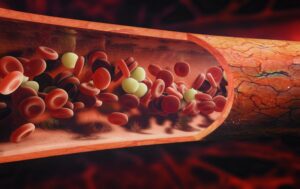
Many different internal processes can cause a change in the temperature of the body’s environment. This is known as fever, commonly associated with tissue inflammation or infection. When there is inflammation or infection of tissues, the immune system sends more white blood cells into the tissues to fight off invading bacteria, viruses, and other microorganisms. The increased concentration of white blood cells in a specific area causes an increase in body temperature.
In addition to fever and chills being symptoms of gallstones, they can also be symptoms of other conditions. For example, if you have a high fever at an inappropriate time, then this could be an indication that you are suffering from diabetes or hyperthyroidism because both of these conditions can affect the body’s ability to regulate temperature.