Jaundice
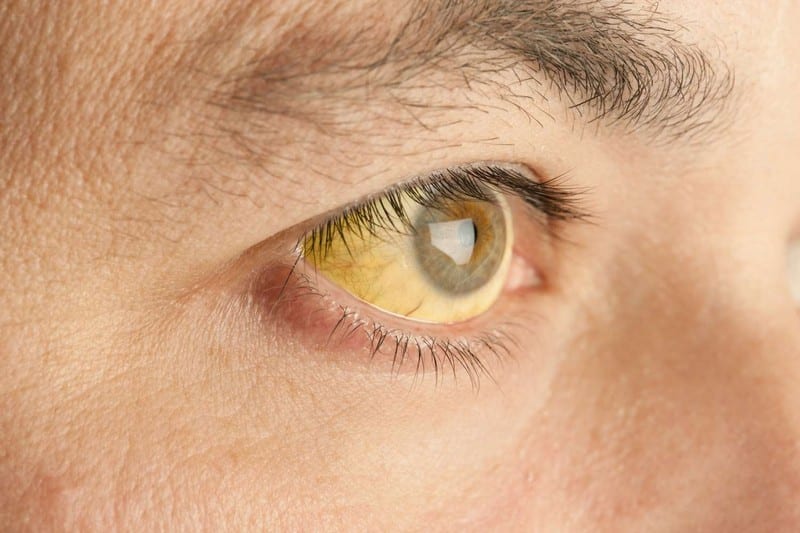
Gallstones are typically diagnosed by blood tests that check for bilirubin, a yellow-colored pigment manufactured by the liver, and often indicate disease. Jaundice can indicate gallstone formation for some patients, especially those diagnosed with gallstones before.
The bile produced by the liver helps digest fats in the digestive system; when bile gets blocked, it builds up in the body and turns greenish-yellow. For this reason alone, you might notice a change in skin tone or stool color if you have gallstones—the more gallstones you have, the more chance there is for bile to be obstructed as it tries to travel through the tubes leading from the liver to the gallbladder.
At first glance, there isn’t any relationship between whether you get severe symptoms from having gallstones and how many you have. Sometimes, one stone leads to intense pain and nausea or other complications, while other times, many stones can go unnoticed for many years. One theory is that this difference has to do with where the gallstones are located and how much time they spend in the bile ducts versus traveling through the gastrointestinal tract.