Hypothyroidism
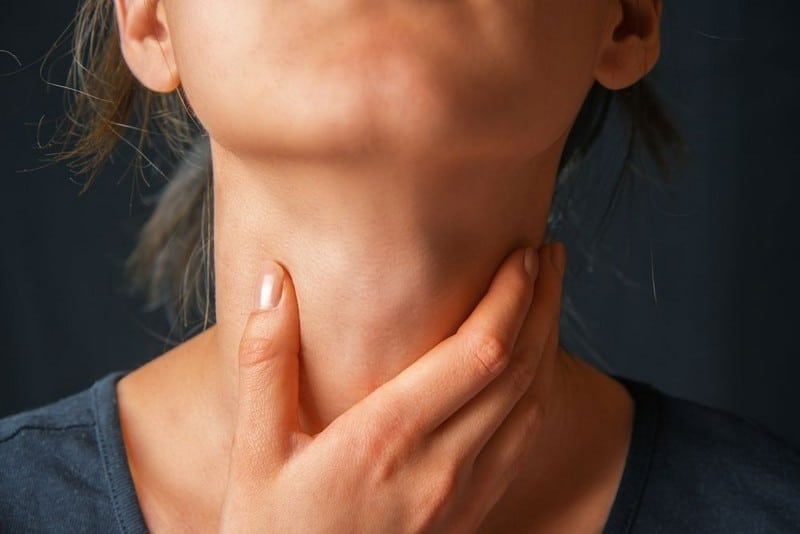
It is also known as hypothyroidism when the thyroid does not produce and release enough thyroid hormone into circulation. Your metabolism becomes slower as a result. Hypothyroidism, also called an underactive thyroid, can make a person feel exhausted, put on weight, and have trouble with cold weather. Muscle cramps might also result from an underactive thyroid gland compared to normal.
As a result of changes in the fibers of the muscle to slow-twitching type 1 from fast-twitching type 2, glycosaminoglycan deposition, low myosin ATPase activity, poor contractility of actin-myosin units, as well as low ATP turnover in skeletal muscle, hypothyroidism affects the muscles. It has been distinguished that the severity of thyroid hormone insufficiency doesn’t match up with the level of muscular weakness all the time.
The pathogenesis of myopathy may occasionally include structural muscle degeneration in addition to decreased muscular function. In the absence of symptoms or structural problems, change in permeability of the muscle cell membrane can cause serum muscle enzyme levels to rise, and decreased cleaning of such enzymes can also contribute to muscle damage. The main form of hypothyroidism treatment is hormone replacement therapy.