Cellular Suspension Transplant

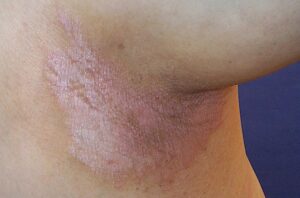
Cellular suspension transplant is a relatively new procedure used to treat vitiligo. In this condition, patches of skin lose their pigment, resulting in irregularly shaped white spots on the body’s surface. The treatment involves taking cells from the patient’s healthy surrounding skin and injecting them back into the affected area. This is done with a special syringe that uses metal needles to pierce the skin and inject the cells under the surface.
This process aims to produce melanin, which is responsible for skin coloration, to cover up the white spots. It has been shown that this method can be 85-90 percent effective in covering up large areas of vitiligo, and can reduce some small areas if treated daily for over four months. While the procedure may not be 100 percent effective at restoring normal pigmentation in all cases, it can maintain an improved appearance of affected areas over time.
Cellular suspension transplant carries some risks that need to be considered before treatment. These include bleeding or scarring at or near the injection site and discoloration, tenderness, and swelling around the area that could last for several weeks following treatment.