Heart Attack

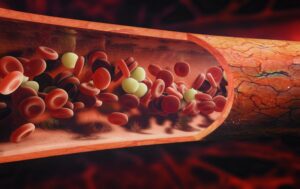
A heart attack occurs when a blockage prevents blood from reaching the heart, depriving its muscles of oxygen. When cholesterol and fat harden, they obstruct the coronary arteries and cause them to rupture and clot, preventing blood from flowing properly. Some heart attacks come on suddenly. In many cases, however, people can anticipate a problem’s onset by recognizing certain signs and indications hours, days, or weeks in advance.
Unrelenting chest pain or pressure (angina) that doesn’t go away with rest might be an early warning sign of a heart attack. Angina appears when the heart experiences a temporary reduction in blood flow. Pain in the chest caused by angina is commonly described as a crushing, heavy, tight, or excruciating sensation. It may feel like a huge weight is sitting on the chest. Angina may manifest as either a sudden, severe pain that demands medical care or a chronic, recurring pain that subsides after therapy is given. Angina not only causes pain in the chest but may also radiate in the arms, neck, and jaw area. Heart attack pain can spread to the muscles on the upper arm, especially on the left side. The pain may persist for up to 20 minutes, and prompt medical attention is essential.