Pale Skin

Bleeding from the stomach or esophagus is a common reason for UGI (upper gastrointestinal) hemorrhage. About 40 to 50 percent of all occurrences of severe UGI hemorrhage may be attributed to gastric and duodenal ulcers. However, only 10 percent of individuals with peptic ulcers have bleeding as their primary symptom. Duodenal ulcer bleeding occurs four times as often as stomach ulcer bleeding. Based on their closeness to GDA branches, a hepatic artery, ulcers in the posterior duodenum are the most susceptible to hemorrhage.
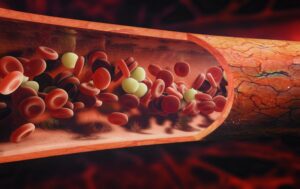
Anemia may develop over time from a slow-bleeding ulcer. This may happen due to the lack of red blood cells and hemoglobin in the blood. One of the most prominent signs of anemia is pallor, characterized by a skin tone that is noticeably paler than the person’s usual skin tone. The amount of melanin in the skin, its thickness, and the amount of blood flow to the skin all play significant roles in determining skin color. Due to a shortage of RBCs in anemia, fewer skin cells are delivered to the epidermis. Patients with anemia associated with an ulcer may notice a change in their skin tone and temperature since hemoglobin is responsible for giving blood its characteristic red hue. However, those with deeper skin tones only show signs of pallor around the eye area.