Fatigue

Peptic ulcer is linked not only to physical symptoms but also to functional and mental issues. Patients, particularly those experiencing persistent abdominal discomfort or intermittent pain, often report feeling tired or weak after the disease has progressed. Additionally, peptic ulcer may cause sleep abnormalities such as decreased total sleep duration or sleep disruptions.
On the other hand, perforation, in which the stomach lining tears open, is an uncommon but severe consequence of stomach ulcers. This may be dangerous because it spreads stomach bacteria to the abdominal cavity, leading to peritonitis. An infection may spread quickly to the blood and other organs when it gets into the peritoneum. If a person has peritonitis, their abdomen may swell with fluid. Significant fluid loss or dehydration may result from this. The infection from peritonitis may swiftly spread throughout the body if not addressed and cause an immune reaction known as sepsis. Dehydration and inflammation caused by peritonitis may lead to severe fatigue.
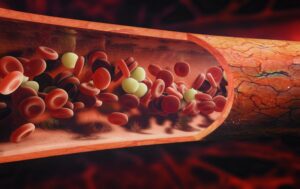
Moreover, an ulcer can also cause anemia. Because of a lack of hemoglobin, tissues and muscles are deprived of the oxygen they need to function properly and generate energy. Since the heart needs to work harder to circulate more oxygen-rich blood, the patient may experience increased fatigue.