Antihistamine
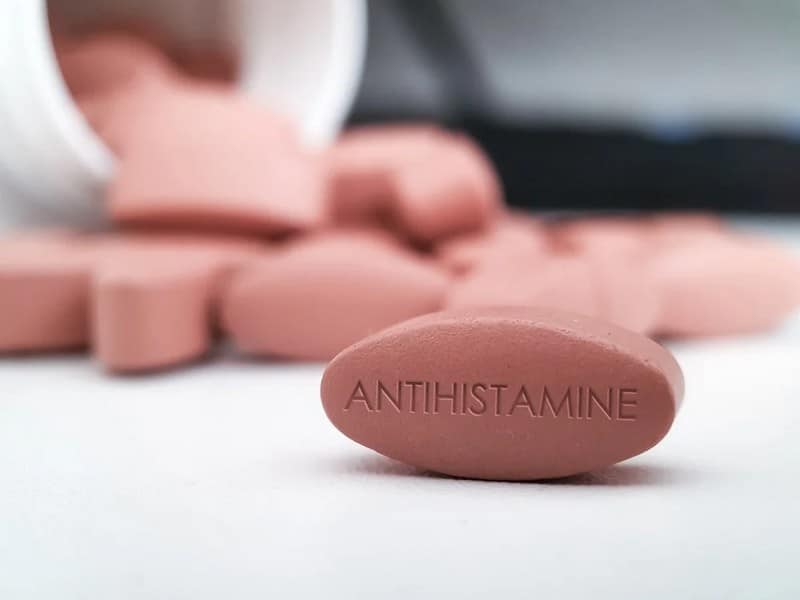
The inflammation caused by a sunburn induces the dilatation of the blood vessels in the skin, which results in typical erythema. In less than an hour after exposure to UVR, mast cells will release preformed mediators such as histamine, serotonin, and tumor necrosis factor, ultimately contributing to prostaglandin creation and leukotriene. Therefore, the result of sunburn and sun poisoning will be painful, and most of the time, it disrupts the person’s sleep. An antihistamine may be taken orally, such as diphenhydramine (found in Chlor-Trimeton and other brands), which could help decrease itching while the skin starts to peel and the wound underneath begins to heal. Put on a medicinal cream that will calm the area.
Apply 1 percent hydrocortisone cream (available without a prescription) to the affected region three times each day for the next three days to treat sunburn of mild to moderate severity. In addition, the itchy sensation that comes with sunburn can be alleviated by taking certain antihistamines orally or topically, such as Benadryl (diphenhydramine). Antihistamines taken orally also have a sedative effect, which might be helpful in cases where pain prevents a person from sleeping soundly.