Rash That Does Not Fade
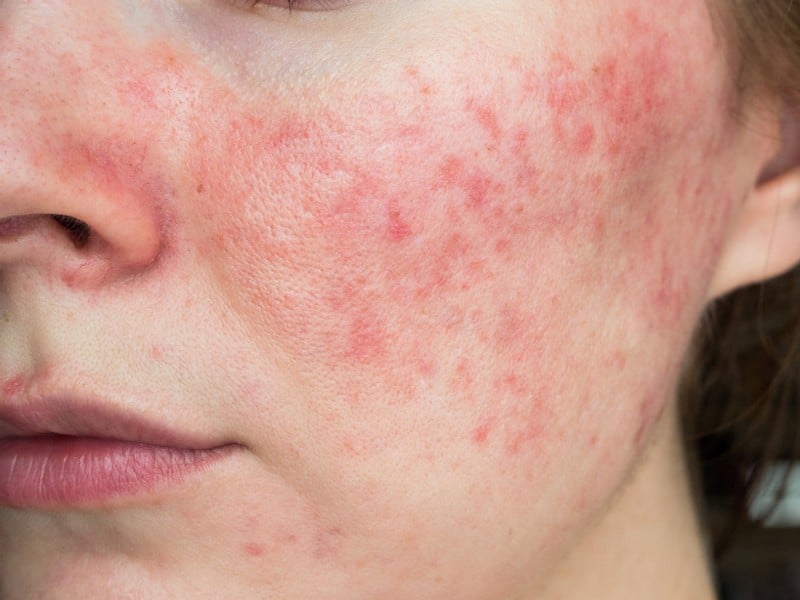
While the exact cause of sepsis-related rashes is not entirely clear, it is believed that an overactive immune response causes them. When the body detects an infection, it releases cytokines into the bloodstream. These cytokines help to fight the infection by attacking foreign invaders. Unfortunately, this overproduction of cytokines can cause inflammation and lead to the formation of rashes.
There are several different types of rashes that have been linked to sepsis. Petechiae are tiny red or purple spots on the skin that are caused by bleeding under the surface. Petechiae typically don’t itch or hurt and tend to appear in clusters. Purpuras are larger than petechiae and can range in color from purple to brownish red. Like petechiae, they’re also caused by bleeding under the skin and may indicate inflammation.
Erythema nodosum is an inflammation affecting the fat cells beneath the skin. It appears reddish, painful lumps on the shins and legs and can cause fever, joint pain, and swollen lymph nodes. Finally, sepsis-related organ damage may present itself as a rash. For example, liver damage can cause jaundice, while kidney damage may cause changes in urine output or coloration.