
Chlamydia
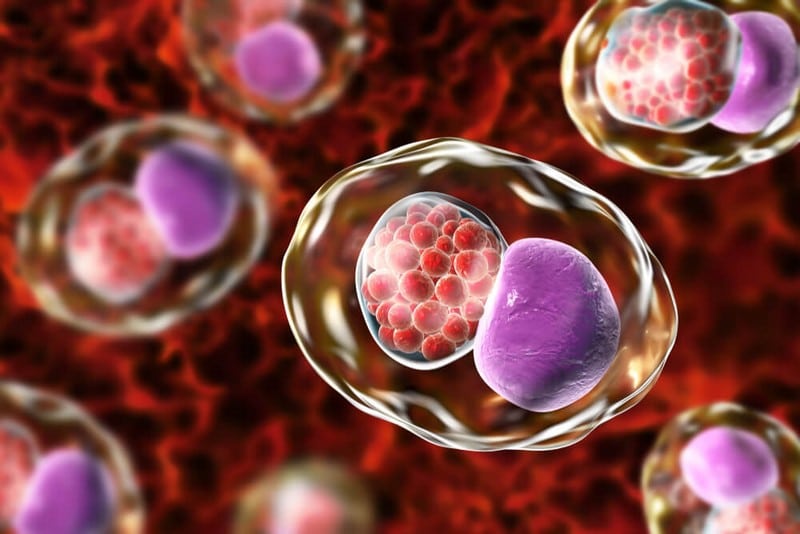
A bacterial infection transmitted through sexual contact, chlamydia, can affect women and men. Based on the CDC’s reports, there were a little under two million Americans with chlamydia in 2018, making it a common STD in the country. Often, the disease presents no symptoms, with only five to thirty percent of women and ten percent of males experiencing signs of the condition. However, it can potentially lead to complications that can compromise fertility.
For people who experience it, symptoms can include cervical discharge, easy bleeding, painful or frequent urination, PID, rectal pain and discharge, and testicular pain and tenderness. In addition, chlamydial conjunctivitis may also occur if there’s contact with infected secretions. Therefore, getting treatment as quickly as possible is vital if you suspect that you have the condition to prevent long-term complications like ectopic pregnancy and infertility.
Often, antibiotics are prescribed by doctors to treat chlamydia. Some examples of medications used are azithromycin, doxycycline, and ofloxacin. Amoxicillin and erythromycin are other options that may be recommended, especially for women who are pregnant. However, these medications may also have side effects, including diarrhea, abdominal pain, vaginal thrush, and nausea. Some may also trigger skin rashes, like doxycycline.