Injections
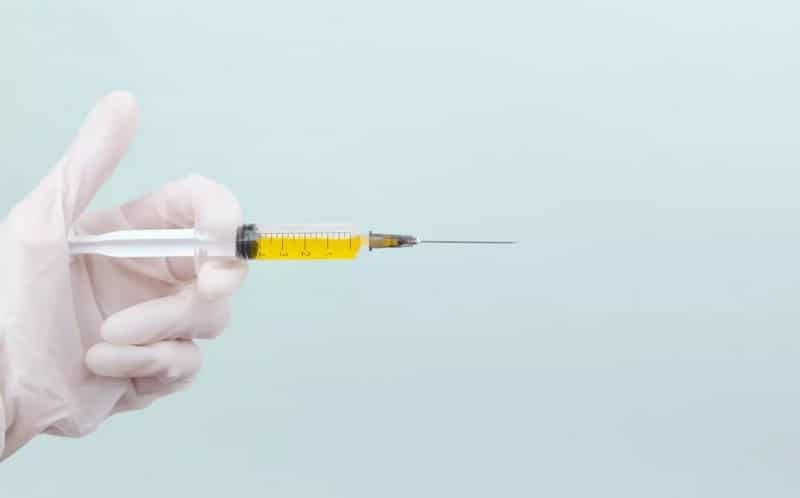
Pilonidal cysts, whether acute or chronic, can also be treated using an injection of phenol or lipiodol. Lipiodol has been used in experimental studies of pilonidal cysts to determine the extent and location of the sinus. This is important as doing so will help identify the nature and size of the cyst. Once this is clear, depending on the gravity of the pilonidal cyst, phenol, an acidic chemical compound, can be injected into the sinus.
The injection of 80 percent phenol into the pilonidal sinus is an additional nonoperative adjunct to treatment. Though it has proven effective in the curettage of the sinus, it is not a standalone treatment option. Instead, it is typically paired with incision and drainage to remove hair and debris from the pilonidal cyst. Phenol will then remove granulation tissue and residual debris and express it out of the cavity.
Experimental studies have shown that the use of phenol injection in the treatment of pilonidal sinus successfully showed results that are more favorable even when compared with more radical treatment methods, particularly in terms of healing time.