Peripheral Vascular Disorder

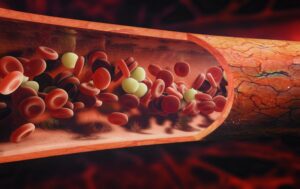
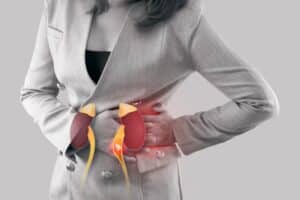
Peripheral vascular disorder, or PVD, is a circulation disease that forces blood vessels beyond the brain and heart to spasm, block, and narrow. It can occur in the veins or arteries. The condition generally causes fatigue and pain, usually in the legs, especially when exercising. However, it can also impact the vessels supplying oxygen and blood to the kidneys, arms, stomach, and intestines. Resting tends to alleviate the discomfort.
In PVD, the blood flow is reduced because vessels are narrowed. It could be because of arteriosclerosis or caused directly by spasms of the blood vessels. In arteriosclerosis, plaque accumulation builds up inside the arterial vessel, restricting and obstructing the amount of oxygen and blood that goes to the limbs and organs. As plaque growth progresses, clots could develop and block the arteries entirely. If untreated, it can result in organ damage and the loss of limbs and extremities.
The causes of the peripheral vascular disorder vary depending on the type. The common causes of functional PVD are emotional stress, cold temperatures, drugs, and the operation of vibration tools and machinery. While organic PVD, smoking, abnormal blood pressure elevation, high cholesterol, and diabetes cause it.