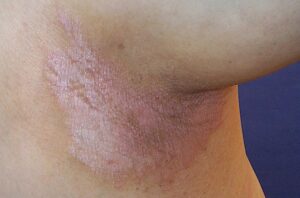
Skin Infection
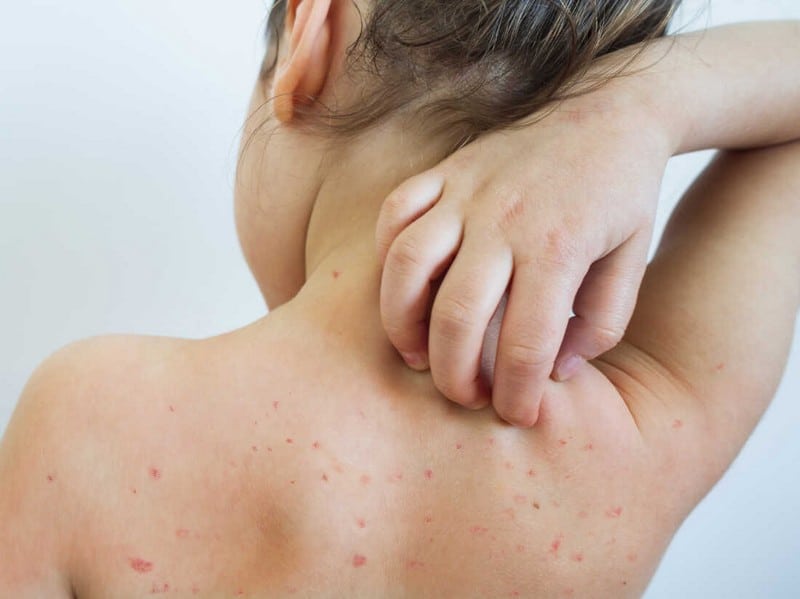
Skin infections can occur when exposed to bacteria, germs, or viruses that can penetrate the skin. As the body’s largest organ, it’s constantly exposed to the elements, and there are times when it will get infected. These conditions typically range from mild and manageable to severe. Generally, the former can be treated using home remedies or over-the-counter medications, whereas severe infections might necessitate medical attention.
The four skin infection types are bacterial, viral, fungal, and parasitic. Their symptoms usually vary in severity, with common signs being a rash or skin redness. It’s also possible to experience symptoms like tenderness, itching, and pain. Specific skin infections may spread and get into your bloodstream. If this happens, the condition can potentially be life-threatening. The indicators of more severe skin infections are pus, blisters, skin sloughing, and necrotic or discolored skin. In cases like these, it’s vital to get checked up by a doctor.
Treatment for skin infections depends on cause and severity. Usually, viral skin infections improve by themselves and disappear in no more than a few days. On the other hand, bacterial infections can be treated by applying topical antibiotics on the affected area or taken orally.