Hypertension
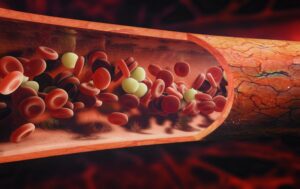
Hypertension or elevated blood pressure occurs when the force of the blood pushing through the vessels is constantly high. It’s a condition that’s so common that almost half of all American adults are likely to have it. It usually develops over several years and may not necessarily come with symptoms. However, even without signs and indicators, blood pressure that’s consistently elevated can potentially cause damage to the organs and blood vessels, especially the heart, kidneys, and eyes.
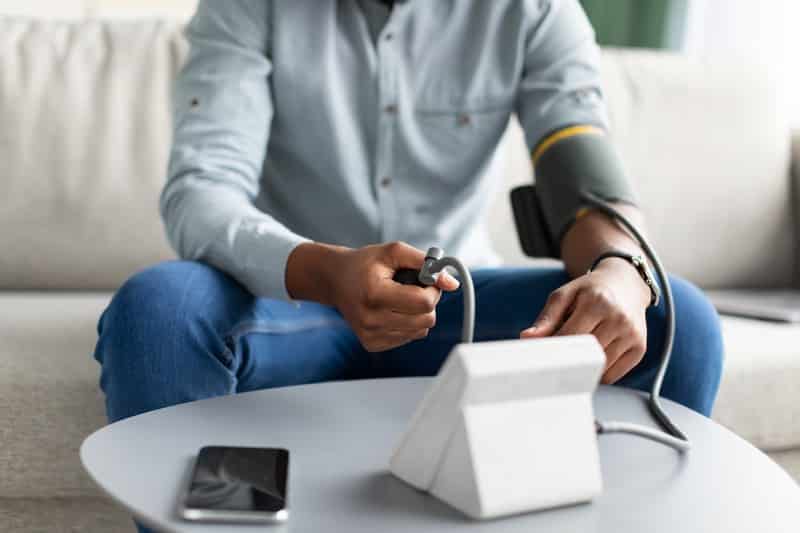
The early detection of the condition is crucial. Regular check-ups and readings for blood pressure will enable you to notice changes. If it’s elevated, a doctor may check it throughout a couple of weeks to see if it continues to remain elevated or starts to go down to normal levels. Treatment options will vary depending on how severe the condition is. For mild cases, some lifestyle changes should be sufficient. On the other hand, prescription medication might be needed for those unable to manage the condition with lifestyle changes alone.
In severe cases of hypertension, some symptoms that may present are subconjunctival hemorrhage, dizziness, and flushing. Furthermore, those with a family or medical history of cardiovascular diseases are at more risk.