Dry Skin Problems
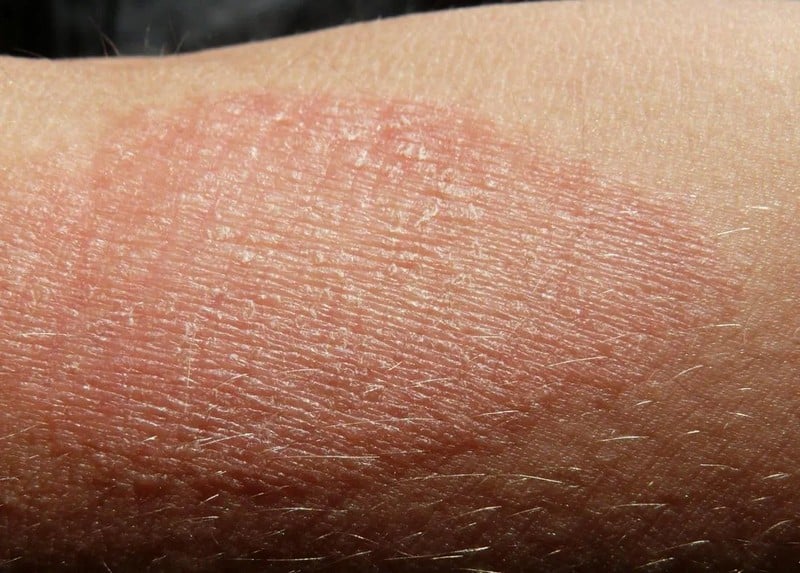
Dry skin causes irritation and distress because of its scaling, itching, and cracking. Dry areas tend to appear in different places for different people. It is widespread, affecting people of all ages. Many environmental and lifestyle factors contribute to dry skin (also called xerosis or xeroderma), including wind, dry air, the sun’s UV rays, some soaps, and excessive water immersion. Numerous factors may contribute to its occurrence. It is possible to have periods of dry skin even if an individual’s skin is usually oily. Moreover, it is also possible to have dry skin anywhere on the body. Affected areas include the hands, arms, and legs.
Because of the hormonal imbalance, the skin may become too dry. Reduced sebum oil output and accompanying dry skin are expected consequences of declining hormonal levels like estrogen. The surface of the skin dries out and flakes. A lack of moisture in the skin is a sign of a lack of necessary fatty acids and other vital nutrients. Thyroid hormones cause dry skin by stimulating oil glands, decreasing sebum production, and reducing blood flow, which dries out the skin.