High Cholesterol Levels
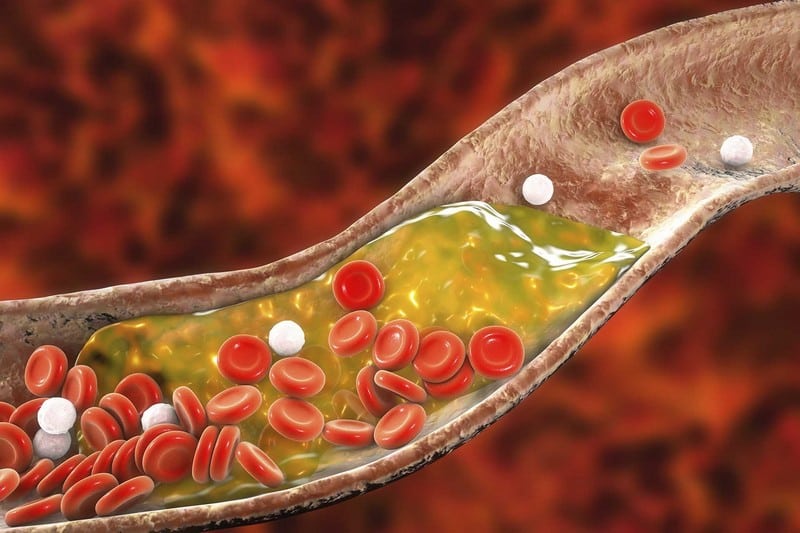
The waxy substance known as cholesterol may be found in the blood and the body’s cells. The liver produces the majority of the cholesterol in the body. Low-density lipoprotein (LDL), often known as “bad cholesterol,” and high-density lipoprotein, also known as “good cholesterol,” are the two forms that it may take. LDL is the more dangerous of the two. Steroid hormones need cholesterol in order to be adequately produced. This includes hormones related to stress and sexual activity. In addition, it is necessary to produce bile, which aids digestion and absorption of vitamin D.
When the thyroid and liver are not functioning properly, and when the liver is unable to convert cholesterol into thyroid hormone, the body is unable to use cholesterol, allowing the dangerous form of cholesterol to accumulate. Except for red blood cells, every cell in the body has mitochondria, which are responsible for manufacturing everything from cholesterol to hormones. Consequently, the ability to produce cholesterol declines with age. In contrast, decreased estrogen levels are associated with elevated total cholesterol levels. This is because the number of low-density lipoproteins (LDL), and triglycerides, another form of blood fat, has increased.