Whole Grains
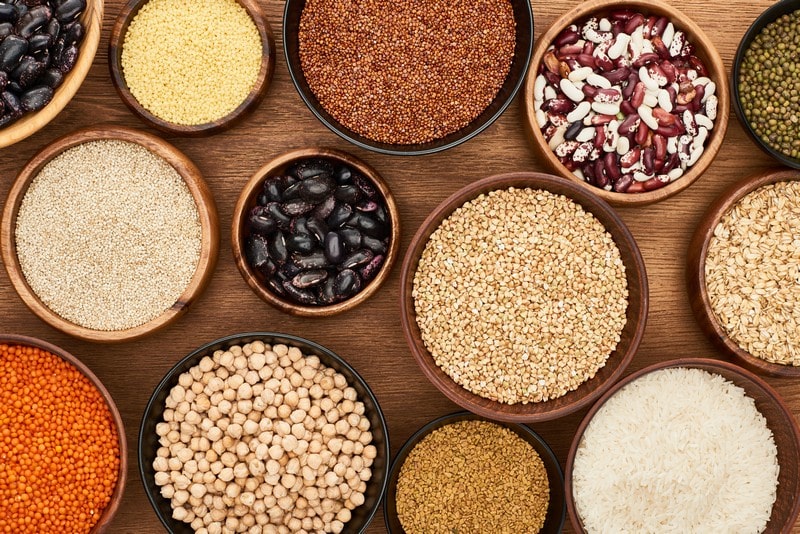
All around the globe, people rely on grains as a daily source of nourishment. The germ is the nutrient-rich embryo of the seed. The endosperm is its food source, rich in starchy carbohydrates, and the bran is the nourishing outer layer. Grains that still have all three original constituents are considered whole grains. They’re a good source of fiber, manganese, B vitamins, iron, magnesium, selenium, phosphorus, and other beneficial nutrients.
Whole grains such as brown rice, oats, and whole-grain bread are good for reducing acid reflux symptoms because of their high fiber content. Studies have shown that eating more fiber may help reduce the likelihood of getting gastric ulcers. However, whereas both insoluble and soluble fibers show this relationship, the link between a high-soluble-fiber diet and a lower risk of getting ulcers is more robust.
Some oats that are fortified with vitamin A may help prevent the development of a duodenal ulcer. Vitamin A causes an increase in mucus formation in the gut. It may provide some protection against the onset of ulcer disease caused by a compromised mucosal barrier. Other excellent whole-grain choices include oatmeal, buckwheat, and popcorn.