Increasing Indoor Humidity
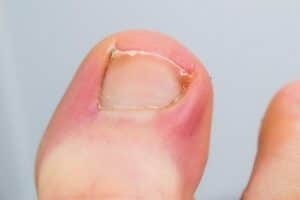
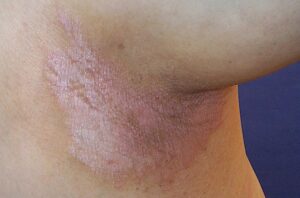
Dry indoor air can worsen several health conditions, such as skin problems, nose bleeds, respiratory conditions, dry eyes, and sore throat. In addition, dry air can make the throat feel extra scratchy and rough, causing more pain and irritation for patients with tonsillitis. The ideal setup is keeping the indoor humidity at 30 to 50%.
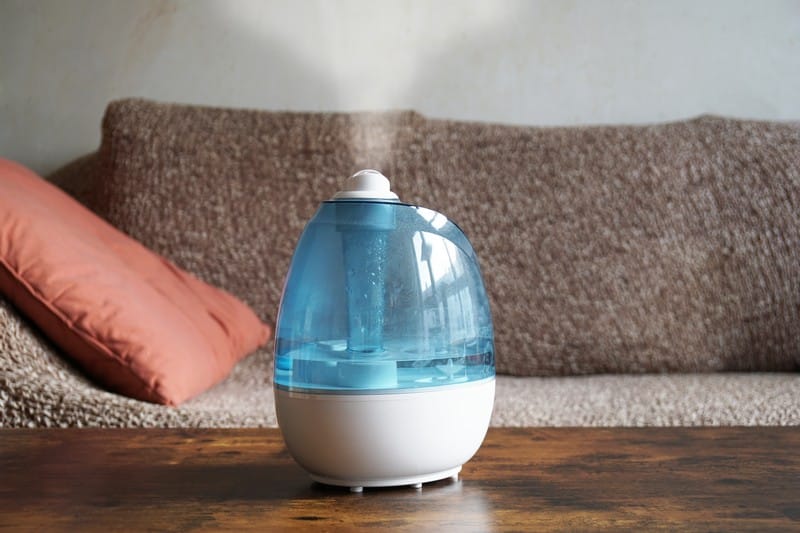
People with tonsillitis should avoid staying in places with very low humidity. However, a cool mist humidifier might help if these instances are unavoidable. Humidifiers are devices that help ease symptoms of tonsillitis by releasing moisture back into the air. Patients with chronic tonsillitis are advised to invest in high-quality humidifiers and to use them regularly, even in their sleep. This can help maintain the ideal indoor humidity and prevent them from coughing or developing other respiratory conditions caused by dry air.
However, humidifiers can be breeding grounds for bacteria and other harmful microbes, so users must regularly clean their humidifiers. Moreover, users should also be mindful of molds growing near the humidifier.
If patients cannot afford a humidifier, there are other ways to increase indoor humidity. For instance, taking a hot bath or shower and inhaling steam can help alleviate symptoms of tonsillitis.