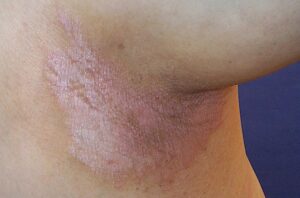
Turmeric
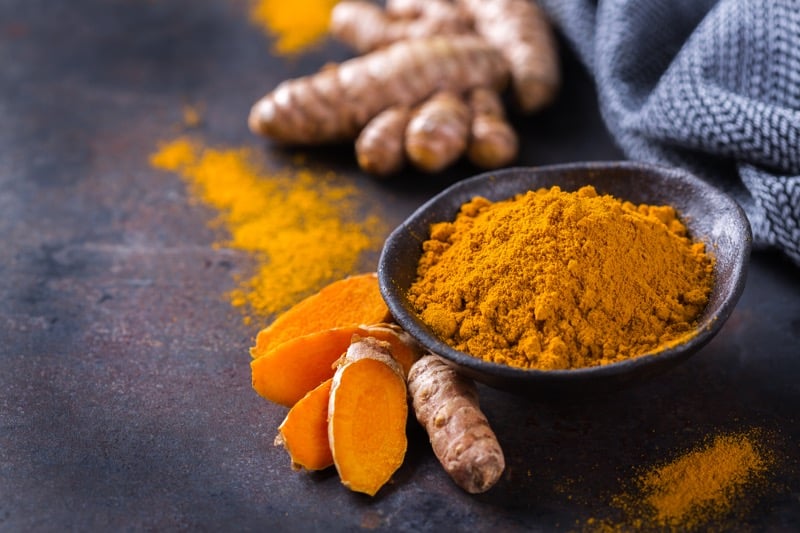
Turmeric is one of the most often used spices with anti-inflammatory effects. Using turmeric can have many beneficial effects on one’s health, including antibacterial and anti-inflammatory effects. The rhizomes, or roots, of a flowering plant found in India and other parts of Southeast Asia, are the primary source of this aromatic spice that is predominantly farmed for its production. It is thought that a component of turmeric called curcumin is responsible for the health advantages associated with spice. Most scientific studies cite curcumin, the primary bioactive component of turmeric, as a potent anti-inflammatory, antibacterial, antifungal, and antiviral agent. Curcumin also has antioxidant properties. In addition to this, it has powerful antifungal and growth-inhibiting properties.
It is advised to combine turmeric with a small quantity of water or coconut oil until it forms a paste, and then apply it to the skin to use it for topical treatments. Let dry completely before attempting to remove the leftover residue. However, just like any other topical treatment, try the solution on a tiny patch of skin to test for any negative reactions.