Cirrhosis
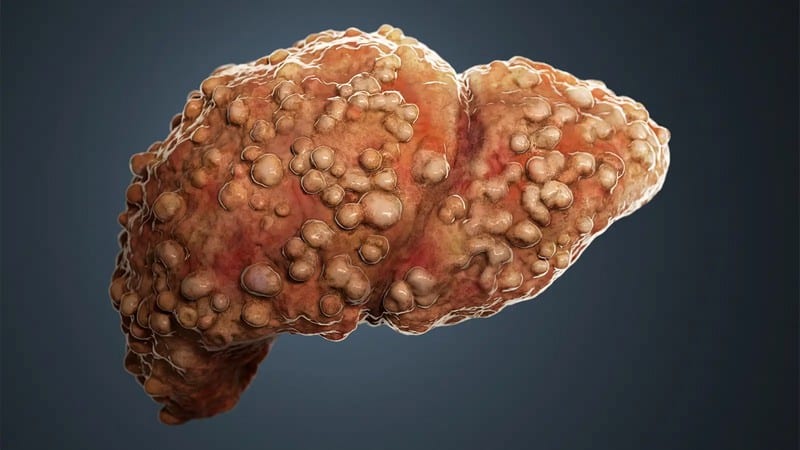
Cirrhosis of the liver is a degenerative condition that replaces healthy liver tissue with scar tissue and causes damage to the liver that cannot be reversed. The development of scar tissue in the liver reduces its capacity to perform its usual functions. As a result, the ability of the liver to process nutrients, hormones, medications, and natural toxins is reduced. According to certain studies, liver cirrhosis affects around one person out of every 400 in the United States. Cirrhosis has the highest incidence rate among adults aged 45 to 54, with around 1 in 200 diagnosed with the condition.
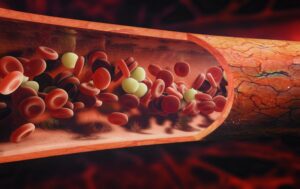
Red blood cells are naturally eliminated from the body due to aging. When blood cells are broken down, a substance called bilirubin is produced and sent to the liver. The liver is responsible for the metabolism of bilirubin. However, hepatic bilirubin clearance is reduced, and liver cirrhosis’s portal blood flow is altered. The level of unconjugated bilirubin in the blood rose as a consequence. Elevated bilirubin levels are a late manifestation of chronic liver disease and are associated with advanced liver dysfunction.