Jaundice
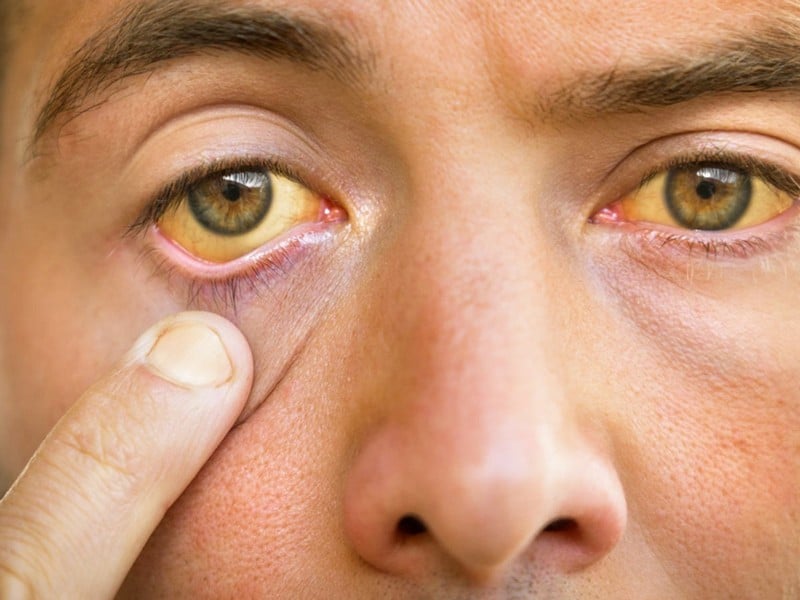
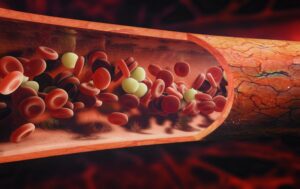
Jaundice is a yellowing of the skin or whites of the eyes. It is caused by an accumulation of bilirubin, a waste product made during the normal breakdown of red blood cells. Bilirubin is usually removed from the bloodstream by the liver and converted into a form that doesn’t cause jaundice. When this process doesn’t work correctly, jaundice may occur.
Jaundice can be caused by many conditions other than Hepatitis B infection, including cancer treatment (chemotherapy), gallstones, liver disease, and infection with certain viruses or bacteria.
The main reason why jaundice occurs in people with Hepatitis B is that their immune system attacks the liver cells. This causes damage to the liver and often results in jaundice. When this complication occurs, it’s a sign that the liver is seriously damaged. Therefore, the sooner patients get treatment for Hepatitis B, the better their chances of preventing this complication.