Polycythemia Vera

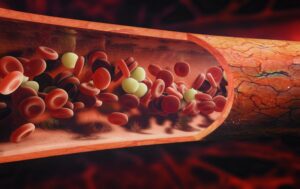
Polycythemia vera, or PV, is a blood cancer type that produces too much RBC. The blood can thicken with excessive amounts of erythrocytes in the system, forcing it to flow slowly. When they clump together, they form clots in the blood vessels and can lead to life-threatening complications like a stroke or death. Long-term PV can also result in bone marrow scarring and leukemia. While there isn’t a cure for polycythemia vera, the condition can be managed with proper treatment.
The symptoms of PV may not appear for years. When they first begin, they may even be easily missed. In most cases, it’s only picked up during routine blood tests. However, recognizing its symptoms as early as possible can allow you to get immediate treatment, preventing complications and blot clots. Some symptoms of polycythemia vera include fatigue, itching, trouble concentrating or breathing, abdominal pain, vision problems, weakness, bleeding, and bruising.
PV tends to occur more in men. While there’s a greater chance of developing the condition after age sixty, it can begin no matter the age. Some risk factors are blood clot history, diabetes, elevated blood pressure, high cholesterol, smoking, and pregnancy.