Jaundice
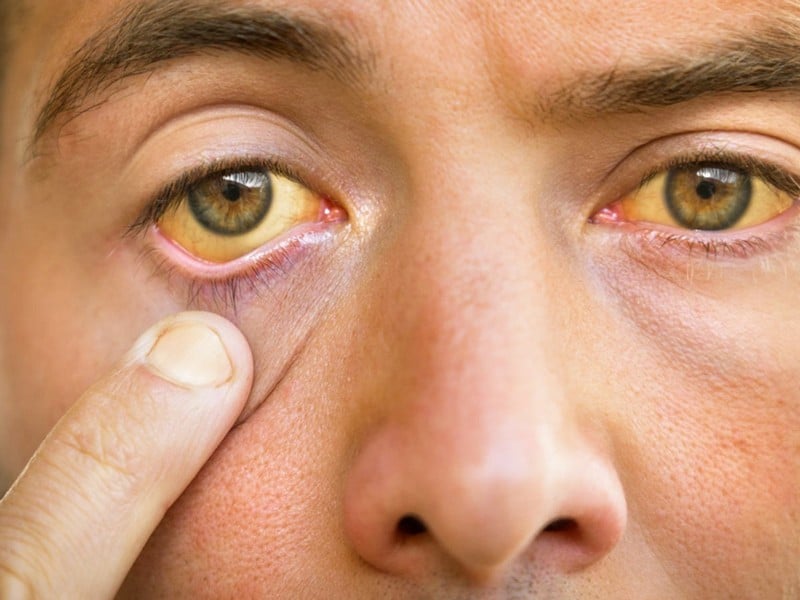
Jaundice generally happens if there’s an excessive build-up of bilirubin in the blood. This is what primarily gives the eyes and skin a yellowish color. Normally, bilirubin goes to the liver from your bloodstream. It then passes through the bile ducts and is carried into the small intestine. It’s then taken out of the body via stool or urine. If it fails to do so, it can result in many different health conditions. Some common symptoms of jaundice are pale stool, dark urine, nausea, dizziness, fever, and swelling of the legs or abdomen.
Doctors typically order a urinalysis, blood tests, an imaging test, and an endoscopy to check for the condition. Through these tests, the healthcare provider can identify what kind of jaundice it is and what the best course of treatment is. In mild cases, treatment can be little more than making lifestyle changes, specifically to the diet. In others, medication may be necessary. However, for severe complications, surgery may be necessary. As with any other medical condition, the earlier the disease is found, the easier it’ll be to address it. So those who begin noticing eye and skin yellowing should immediately consult their doctors.