Brain Health
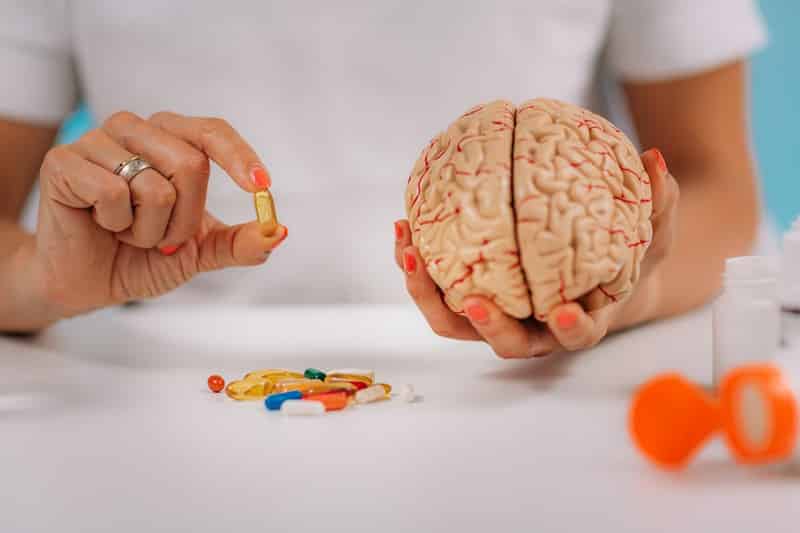
Several studies found that collagen may benefit brain function. For instance, researchers discovered that a specific type of structural protein, collagen VI, protected the brain cells from amyloid-beta proteins, believed to be the cause of Alzheimer’s disease (AD). Collagen VI works by maintaining muscle function and stabilizing the cell membrane. The scientists focused on the region of the brain called the dentate gyrus, crucial for memory encoding. The genes were compared to normal mice and mice with AD. Initial analysis showed that mice model AD’s brain had increased collagen VI.
This finding was observed in AD patients and non-AD patients. The researchers examined the brain tissue of two groups and saw that collagen VI was higher in AD patients. In addition, they discovered that neuron was collagen VI’s primary cellular source. Neurons are cells in the brain responsible for receiving external information and are the primary cells that Alzheimer’s disease attacks.
Another study analyzed the effects of collage hydrolysates on brain structure and cognitive function. Thirty healthy participants (aged 49 to 63) were involved in the research. For four weeks, they received five grams of collagen hydrolysates every day. The results showed that daily ingestion of collagen hydrolysates improved brain structure and cognitive function.