Interstitial Cystitis

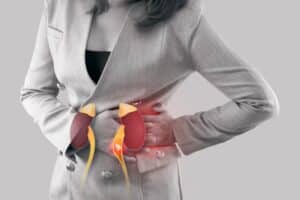
A complex disorder characterized by the bladder’s muscle layers’ chronic inflammation, interstitial cystitis produces symptoms like abdominal and pelvic pressure or pain, frequent urination, urgency in urination, and incontinence. The discomfort the condition causes may range from relatively mild to severe. The discomfort’s degree can also be infrequent or persistent, and it’s not uncommon to have remission periods.
The primary cause of interstitial cystitis remains unknown. However, some researchers postulate several factors can damage the bladder’s lining, triggering the disorder as a result. These include trauma to your bladder’s lining, excessive bladder stretching, dysfunctional or weakened muscles of the pelvic floor, autoimmune disorders, bacterial infections, inflammation or hypersensitivity of the pelvic nerves, and trauma of the spinal cord. Many people suffering from the condition also have fibromyalgia and IBS, suggesting that IC can affect different organ systems. Currently, studies are investigating genetic predisposition to be a cause of IC.
There isn’t a definitive way to cure or treat interstitial cystitis. Therefore, many often use combinations of treatments, including medications and procedures, such as bladder distention and instillation and electrical stimulation. Dietary changes may also be necessary, with specific foods and beverages being advised. Exercise is also essential to manage symptoms.